
Why Are So Many Families Choosing Modular Over Traditional Construction?
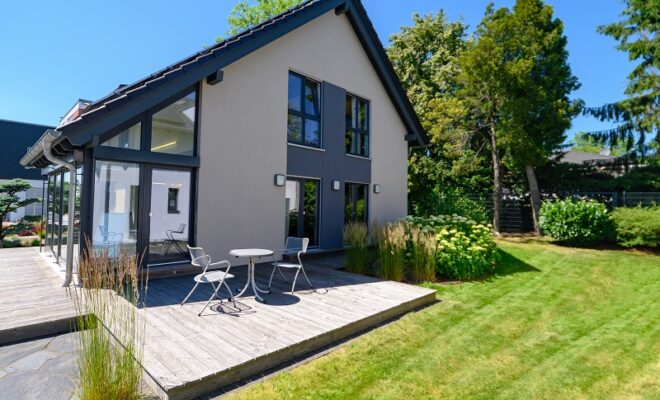
The housing market shifted. Families stopped waiting for the perfect house. Modular construction gained traction quietly. Now it’s impossible to ignore. Builders report shortages. Demand climbs. Families aren’t choosing modular as a backup anymore. They’re choosing it first.
This trend reflects deeper changes in how people think about home. Speed matters. Quality matters. Interest in options like two story modular homes keeps rising as families look for practical layouts. Traditional construction struggles on multiple fronts. Modular addresses each one directly.
Why Traditional Construction Takes Forever?
A typical home takes eight to twelve months. Weather delays. Supply chain issues. Labor shortages. The foundation takes weeks. Framing takes months. Finishing takes forever.
Modular construction collapses this timeline. Factories build simultaneously. Modules complete while the site foundation is prepared. Homes go from foundation to finished in half the time.
Cost Control Happens Differently
Traditional construction hides costs. Change orders. Unexpected issues. Materials get expensive. Budgets balloon. Families spend thousands more than anticipated. Modular locks in costs early. No surprises emerge halfway through. Weather doesn’t damage walls. Theft doesn’t happen on factory floors. Costs stay predictable.
Why Families Are Making the Switch
Here’s what drives families toward modular over traditional building:
1. Construction timeline shrinks by half compared to site-built methods
2. Factory manufacturing eliminates weather delays and coordination problems
3. Cost predictability removes budget surprises that derail traditional projects
4. Quality control catches mistakes before walls close rather than after
5. Energy efficiency improves because factory conditions allow tighter construction
6. Waste reduction appeals to families who care about environmental impact
7. Financing now works like traditional mortgages at most major lenders
Quality Actually Improves
Factory construction uses standardized processes. Equipment stays consistent. Workers repeat the same tasks. Inspectors check every module. Mistakes get caught immediately.
Traditional construction relies on rotating crews. One frames. Another does plumbing. A third handles electrical. Communication breaks down. Mistakes hide behind walls.
Families Want Flexibility
Modern families move. They upgrade. They downsize. Modular homes can be reconfigured as life changes. Two-story layouts offer efficient use of space that families recognize immediately. First floor gathers common spaces. Second floor holds bedrooms. Traffic flows the way families actually live.
What Changed People’s Minds
Early modular homes felt cheap. That reputation lingered. Modern homes shattered that perception completely. They look identical to traditional construction. Quality rivals custom builders. Prices undercut traditional methods. Word spread through communities. One family built modular. Neighbors noticed the speed. They admired the finished product. The next year, three more families followed.
Moving Forward
Modular construction isn’t trendy. It’s practical. Families make rational decisions. Speed, cost, quality, and flexibility appeal to reasonable people. Builders like Supreme Modular Homes prove traditional construction can’t compete on multiple fronts simultaneously.
The housing industry adapts slowly. Modular construction proved viable. Builders learned. Families embraced it. The shift accelerates yearly.
FAQs
Are modular homes as well built as traditional homes?
Yes. Factory conditions produce higher quality. Consistency improves. Inspections happen regularly.
Do modular homes depreciate faster?
No. Appraisals treat them as traditional construction. Long-term values perform similarly.
Can I customize a modular home?
Yes. Layouts can vary. Materials can upgrade. Finishes can personalize.
How much faster is modular construction?
Typically four to six months faster. Timeline predictability is the real advantage.
Do banks finance modular homes?
Yes. Most major lenders offer competitive rates for modular construction.