Your Veins Are Aging Faster Than You Are? The Signs Nobody Talks About
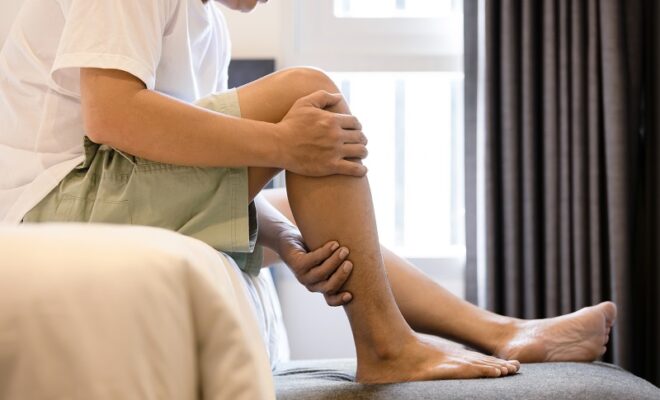
You keep hearing that aging is inevitable. Fine. Most people accept that without much argument. What catches people off guard is realizing their vascular system seems to be operating on a completely different schedule than the rest of them. Forty-three years old. Veins behaving like they belonged to someone in their mid-sixties. Nobody warned you this happens quietly, without a single dramatic event to mark the beginning.
Vascular aging doesn’t arrive with fanfare. A blown vein from a routine blood draw leaving bruising for three weeks. Legs swelling by late afternoon without obvious reason. Skin near the ankle shifting color over months. None of these feel connected. But how many of these signs are you already ignoring?
Why Veins Don’t Age Like Everything Else
Most body tissues age passively. Veins don’t. They spend every waking hour pushing blood upward against gravity through vessels that depend on small internal valves to keep flow moving. When those valves work, the system holds. When they slowly fail, blood stalls. Pools. Pressure builds where it wasn’t supposed to.
Some people’s valves start failing in their thirties. Others never experience significant problems at eighty. Genetics sets the starting point. Estrogen weakens vein wall elasticity, explaining why pregnancy accelerates things in ways that take years to reveal. Add sedentary work, dehydration, excess weight. The burden compounds until vessel walls start operating past their tolerance.
The Complaints People Blame on Something Else
Legs heavy by mid-afternoon. You assume you’re tired. But when the heaviness arrives at the same time every day and dissolves the moment you elevate your legs, that regularity is a vascular signature, not a fatigue one. The two feel similar. They respond to completely different things.
Ankles thick by evening. Too much salt. Hot weather. Any of these can contribute on a given day. When the swelling appears regardless of diet or season, every single evening and gone every morning, fluid is accumulating because venous return isn’t working efficiently.
Spider veins appearing faster than expected. A patch on one calf that expanded within a year. The appearance is often cosmetic. The speed sometimes isn’t. Rapid proliferation can indicate pressure building deeper in the venous system, using surface vessels as an overflow valve.
Bruising that takes far too long to resolve. A minor knock producing discoloration lasting three weeks. Aging vessels handle disruption differently. Recovery takes longer. Many people chalk this up to getting older without considering the degree of change might reflect something treatable.
What’s Pushing the Timeline Forward
Stillness is the primary accelerant most people don’t think of as dangerous. Hours of sitting without interruption deprive leg veins of the muscular assistance that normally helps push blood upward. Over years, this does real structural damage to vessels already under strain.
Things that accelerate vascular aging beyond what genetics alone would produce:
1. Years of sedentary work removing muscular pumping support from veins daily
2. Persistent mild dehydration thickening blood and increasing circulatory workload
3. Hormonal shifts during pregnancy and perimenopause acting directly on vein walls
4. Regular heat exposure from saunas and baths fatiguing vessel walls over time
5. Smoking damaging vessel walls and compromising their capacity for repair
6. Sustained excess weight adding chronic pressure to the entire lower venous system
None of these are single events. They compound. Fifteen years of sitting eight hours a day isn’t one risk factor. It’s fifteen years of compounding.
What Actually Makes a Difference
Movement interruptions throughout the day matter more than a single gym session. When leg muscles contract, they squeeze blood upward through veins. Regular short breaks produce better circulatory outcomes than one long workout bracketing a sedentary day.
Practical habits that genuinely slow vascular aging:
● Brief movement every hour keeps the leg muscle pump active throughout the day
● Adequate hydration reduces blood viscosity and makes venous return easier
● Compression during long flights or stationary stretches limits pressure accumulation
● Modest weight reduction meaningfully reduces the sustained load on leg veins
● Sun protection limits decades of UV damage to surface facial vessels
When symptoms keep progressing despite these changes, vascular ultrasound takes twenty minutes and shows exactly what’s happening with vein valve function. Many people discover a treatable structural problem was driving things the entire time.
In Closing
Vascular aging doesn’t track the calendar evenly. Some people at seventy have veins functioning better than some at forty-five. The difference comes down to genetics, habits, and whether early signals got recognized or explained away until the window for easy intervention narrowed.
The signs are usually there well before anyone acts. Heaviness. Swelling. Rapid surface vein development. Skin changes. Slow bruise recovery. Individually dismissible. Collectively worth paying attention to.
FAQs
Can vascular aging be slowed?
Yes. The structural changes aren’t reversible, but progression responds well to lifestyle changes and professional treatment. Earlier is better.
Why do genetics matter so much?
Vein wall strength and valve integrity are largely inherited. Two people with identical lifestyles can age vascularly at very different rates.
How do I distinguish vascular symptoms from ordinary tiredness?
Pattern and response. Vascular heaviness worsens predictably through the day and improves quickly with elevation. Ordinary tiredness doesn’t follow that pattern.
When should I see a specialist?
When symptoms persist despite lifestyle changes, or when heaviness comes alongside swelling, skin changes, or rapid surface vein development.