The 5 Critical Factors Data Center Site Selection Experts Evaluate First
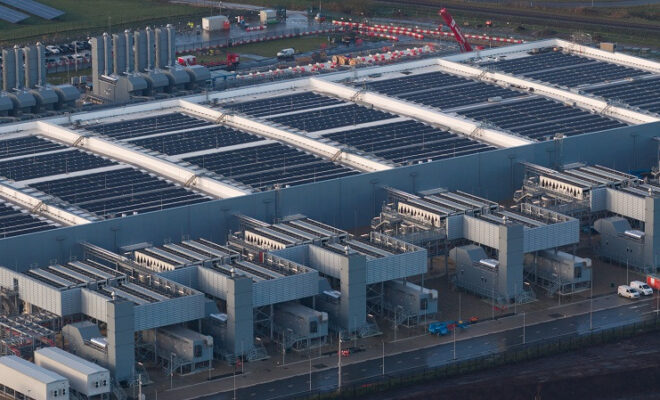
So how do you pick a site today that won’t turn into a logistical nightmare five years from now?
Pick the wrong spot, and you’ll spend years putting out fires no one saw coming. This isn’t about finding cheap land or ticking boxes. It’s about things you can’t see yet, power quirks, water risks, shaky connectivity. Data Center Site Selection Experts don’t just look at maps. They follow patterns, notice the small signals, and ask questions that make the hidden obvious.
Which of these invisible problems will catch you off guard if you ignore them?
The Foundation Nobody Thinks About Until It’s Too Late
Data centers eat electricity like nothing else in commercial real estate. A modest facility pulls more power than three shopping malls combined. The local grid either handles your load or it doesn’t. No middle ground exists.
Experts skip the brochures. They call the utility directly and ask uncomfortable questions. How much spare capacity sits in the nearest substation right now? Not theoretical capacity, actual available megawatts today. Then they ask about expansion timelines. Some utilities can deliver more power in six months. Others need three years and expect you to fund substation upgrades.
Single-source power? That’s a failure waiting to happen. You need dual feeds from separate substations, preferably fed from different generation sources.
Critical power checklist:
- Substation proximity under 2 miles
- Current spare capacity exceeding your needs by 30%
- Utility expansion plans that align with your growth
- Industrial electricity rates that don’t punish large consumers
What Matters Most When Selecting a Data Center Site?
Fiber connectivity determines whether your facility thrives or merely survives. You need multiple carriers. Not just multiple options theoretically available, but multiple fiber providers already lit in the ground near your site.
Carrier diversity sounds simple until you discover that five “different” providers all lease capacity on the same physical fiber route. One construction accident severs them all simultaneously.
Smart site evaluators trace fiber paths physically. They verify diverse entry points into the building. They confirm that redundant routes don’t share trenches or conduits for miles. Latency matters more as you move closer to edge computing applications.
Natural Disaster Exposure
Mother Nature doesn’t negotiate. Seismic zones, flood plains, hurricane tracks, tornado alleys, these aren’t abstractions for insurance forms. They’re mathematical probabilities that play out across decades of operation. Overlay the risk maps. Earthquake frequency. Historical flooding. Wind speed records. Wildfire proximity.
Some locations accumulate multiple risks simultaneously. Others face single manageable challenges that engineering can address.
What Else Should You Consider When Choosing a Data Center Location?
Labor availability matters daily. You need qualified technicians around the clock. For years. Can you hire them locally, or must everyone relocate? What does that cost in compensation premiums and retention challenges?
Proximity to technical universities helps. Existing tech employers in the region signal available talent pools. Remote rural locations offer cheap land but create permanent hiring headaches. Climate affects your operating expenses for decades. Professional companies like DC Deployed study all these factors together, showing how early decisions ripple across operations. Site selection deserves months of methodical analysis. The first year’s rent savings disappear quickly when you’re battling infrastructure limitations you should have anticipated.