
How to Choose the Right Compressed Gas Cylinder for Your Application
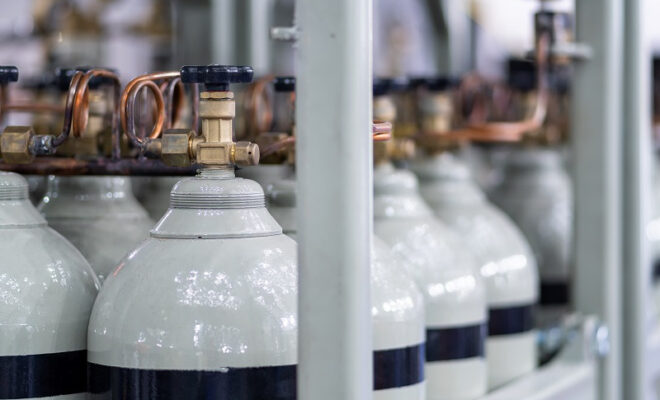
What separates a cylinder that simply holds gas from one that protects your process and your equipment?
You walk into the supplier’s warehouse. Rows of metal cylinders stretch before you like a steel forest. Some tall and lean. Others squat and bulky. All of them look identical until they’re not. Choosing the right Compressed Gas Cylinders for your specific application means understanding pressure ratings, material compatibility, and safety standards before anything leaves the floor. Choosing wrong costs more than money.
What Size Cylinder Do You Actually Need?
Most people grab the biggest option. Bigger means fewer refills, right? Wrong thinking.
Calculate your burn rate first. How much gas disappears per hour during typical use? Multiply by your longest uninterrupted work period. Now add 15-20% padding for the unexpected.
A welder running weekend projects doesn’t need the same capacity as a fabrication shop running three shifts. Small cylinders, 20 to 40 cubic feet, handle hobby work and portable applications beautifully.
Mid-range? That’s 80 to 125 cubic feet. Light industrial territory. Anything past 300 cubic feet demands dedicated storage infrastructure. Plus delivery schedules. Plus, headaches you didn’t budget for.
Steel or Aluminum? The Weight of Your Decision
Here’s the truth suppliers won’t emphasize: material choice shapes your entire workflow. Steel cylinders take punishment. They survive rough industrial environments where aluminum would crumple. Cost less upfront, too. But they’re anvils. Moving them around all day? Your back will file complaints.
Aluminum cuts the weight in half. Corrosion becomes a non-issue, even in coastal facilities where salt air eats everything. The tradeoff sneaks up on you, higher initial investment and less forgiveness when dropped.
Think about your actual conditions:
- Working near water or in humid climates? Aluminum resists rust naturally
- Stationary indoor setup? Steel delivers value
- Hauling cylinders between job sites? Pay for aluminum once, thank yourself daily
- Tight budget for equipment that won’t move? Steel handles that
Pressure Ratings Aren’t Suggestions
This part kills people occasionally. Seriously. Every cylinder stamps its maximum pressure rating in PSI somewhere on the shoulder. That number isn’t negotiable or approximate. It’s the line between safe operation and catastrophic failure. Standard compressed air runs 2,000 to 2,500 PSI comfortably. Helium and nitrogen need vessels rated for 2,400 PSI or higher because these gases pack more densely.
Then there’s acetylene. Special case. Never, and this bears repeating, never exceed 15 PSI with acetylene storage. The gas becomes unstable above that threshold. Boom.
Valve connections matter just as much. The CGA (Compressed Gas Association) designed different fittings for different gases specifically to prevent deadly mix-ups:
- Oxygen uses CGA-540
- Argon and nitrogen share CGA-580
- Acetylene gets CGA-510
The Fine Print That Matters
Not every tank works with every gas. Seems obvious until you see how often this gets ignored. Oxygen demands oil-free, meticulously cleaned vessels. Why? Because oxygen makes everything more flammable. Any contamination, even microscopic oil residue, creates ignition risks.
Specialty applications, food-grade CO₂, calibration gases, and medical compounds require documented proof of compatibility, not casual suggestions from the counter. That’s why suppliers like SOS Gases Inc. carefully match each cylinder to its intended use, so you know the vessel is safe before it even leaves the warehouse.
Getting it right takes twenty minutes of research. Getting it wrong can take months of insurance paperwork… and attention you never wanted.